
On Peter Atia’s podcast, The Drive, he recently interviewed Oliver Burkeman, author of Four Thousand Weeks: Time Management for Mortals.
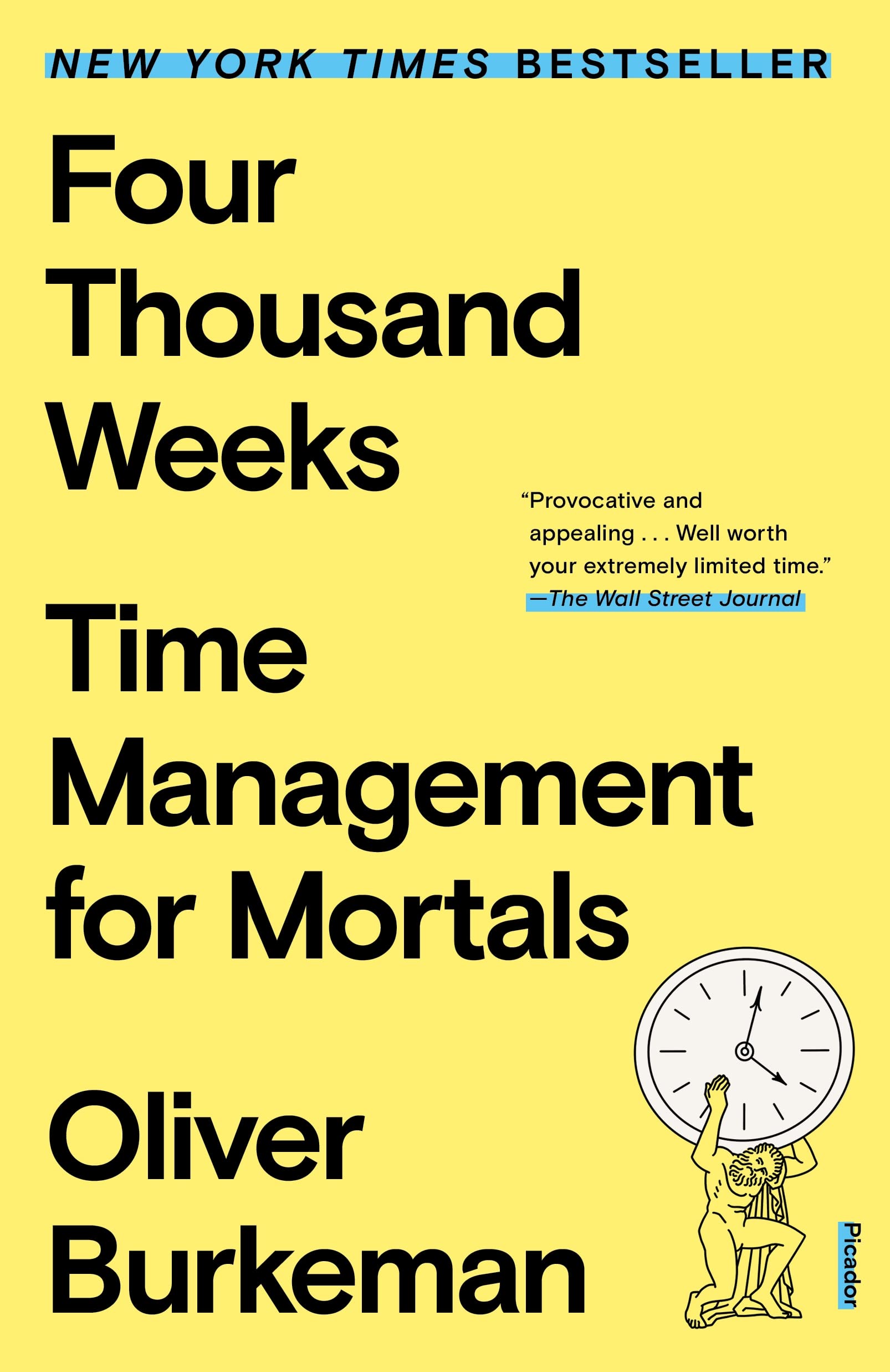
This is such a great book. It’s in the top five of my all-time favorite life-changing reads. It’s entertaining, humorous, practical, and profound.
But I resisted reading it for the longest time because its premise scared me.
Our lifespans, if we live to eighty, are four thousand weeks long.
At my age, this is a bit of a gulp moment.
So I opened it, prepared to lose my nerve, and put it down. But I couldn’t. This book made me see time not as a cruel and stingy bean-counting judge but as whatever I choose to do with it.
Burkeman says you should think of time not as something you have, but as something you are.
This idea made me have one of those duck-rabbit moments where you suddenly see the rabbit when all along you thought there was only a duck.
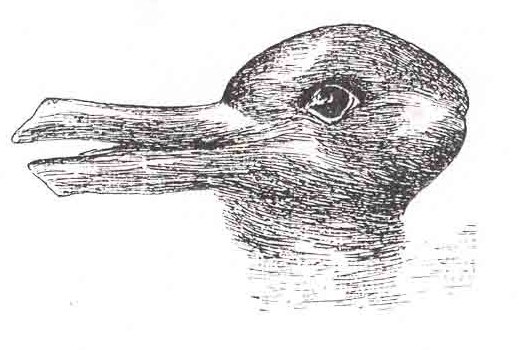
My brain flipped, and I suddenly saw that time was whatever I did with it.
Flipped again: Back to the Tick-tock micro-manager.
Now, if I can just keep remembering that time has this other, more open, free, creative side to it, that would be very calming to my nervous system.
Toward the end of the podcast, Burkeman talked about how important it was to act on an idea.
I am what I do.
I am not what I think or what I plan to do. I am what I actually do. Thinking and planning are fine and helpful, but the only things that actually count are my actions.
Burkeman gives the example of a person who wants to be the kind of person who sends charming notes to friends to thank them or let them know he’s thinking of them.
Unless and until I actually write that note and mail it, I’m not that person.
That’s why he says when you get an idea, act on it. Don’t let the idea of the action get in the way of doing the action itself. Don’t overthink it. Do it in the moment.
After hearing this, I immediately took a notecard I bought last week at the beach and wrote some words to Emily.
Since reading this book, I now try to think of my life as “doing time.” Not like a prisoner does time, but like an artist does art.
Doing time for me means first, knowing what I stand for and how I want to show up in the world, and then prioritizing doing things that express my values and aspirations.
This is how I will find joy and contentment in life.
But I often want to be different from the way I am now. And the only way to be different is to act differently from the way I act now.
For example, I want to read more, make dinner from scratch every night, practice more yoga, and lift weights.
The list goes on and on.
But until I pick up the book or roll out the mat or sauté the kale, I’m not doing. I’m just wishing.
I wish I could dispel once and for all that threatening, slave-driver model of time. The one with the stop-watch and the scythe, but I’m afraid I continue to default to it, especially when I feel frustrated, disappointed, or tired.
I have to keep reminding myself to do the duck/rabbit brain flip and remember that I don’t have time, I am time, and that life is a matter of doing time, and what I do is not only my choice but my life.
And for all that, plus the reminder to stay present, I have Oliver Burkeman and his wonderful book to thank


I loved this book so much I need to read it again. It soothed my overwhelmed to-do list brain.
LikeLike
Could not agree more!
LikeLike