
7 AM. From the paper journal.
First thing.
I am here first thing.
My mind hasn’t been polluted with anything yet. I haven’t looked at my phone. I don’t know my Oura ring scores, or the weather, or the headlines. I don’t know what is going on in the world of Instagram.
I am trying to commit to cognitive sovereignty, which, ironically, is an idea I came across on Instagram last night as I was scrolling in bed. Later, I will find the post and listen to it again, and bookmark it.
But here’s what I remember. The guy said that in order to be in control of your own mind, which is especially important now given social media, and the looming threat of AI, we need to take back control of our minds.
He laid out a plan for doing this.
First, he said, write.

Write your thoughts, get to know your own mind. Let yourself see with your own eyes how confused and disjointed everything is inside. I think he said to do it in longhand with a pen. He said this will be hard at first, but keep practicing. Writing is the best way to learn the landscape of your own mind, to learn how you think, to work out your ideas, to pay attention to what you pay attention to.
Second, Nature. Touch grass, basically. Go outside. Be with trees and water. Notice the sky, the seasons, the animals, the plants, the rocks, the weather. Don’t be afraid of being cold, hot, or wet.
Nature doesn’t care about you. You’re part of it, yes, but you’re not the center of it. You will die, and nature will go on without you.
Third, Psychedelics, specifically mushrooms. I get this, too. Get out of your mind. Allow yourself to experience a total paradigm shift. Come to understand that you’re caught in your own trap. Mushrooms can spring you from your trap, temporarily, so you can carry that perspective into your non-tripping life.
I went and looked at this guy’s content. His Instagram is: existential.hormesis.
It’s intense. Too intense. Too male, actually. He runs retreats where it looks like everyone trips on mushrooms, walks around in nature, does cold plunges, and trust-falls into each other’s arms.
Fine.
But I’m too old for that.
There’s a lot of picking up of heavy rocks, too.
But the takeaway for me, personally, is his answer to the problem of social media and political manipulation. Go into training. Practice being really, really uncomfortable. He says we have to practice existential hormesis in order to regain cognitive sovereignty.
Hormesis is a biological phenomenon where low-dose exposure to a stressor induces beneficial, adaptive, and strengthening effects. Think: exercise, cold plunge, sauna, fasting, lifting heavy weights.
To bring this over to the psychological sphere, this means training the mind to resist the urge to reach for Instagram, Facebook, or other phone apps that systematically erode our attention span, our ability to think critically, our emotional balance, and our capacity to remain connected with people around us.
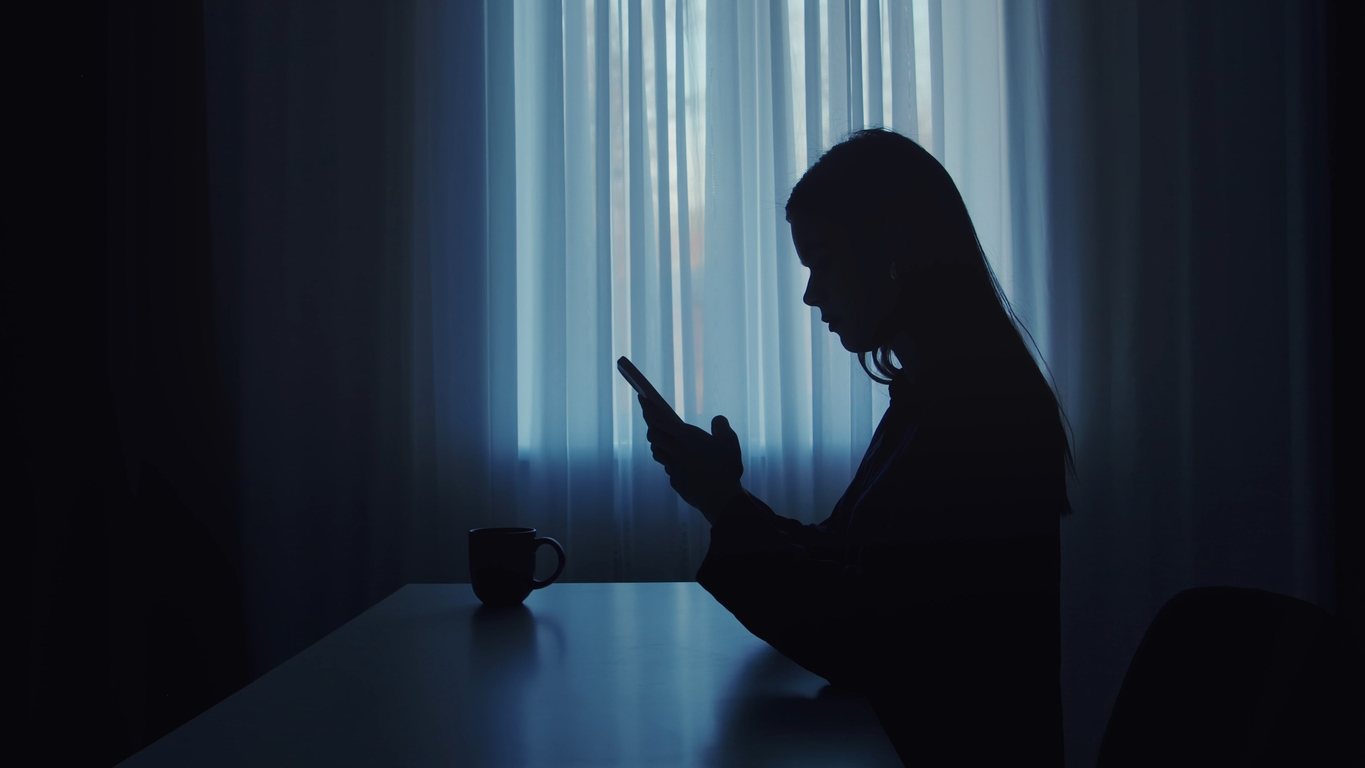
Cognitive sovereignty means that nothing gets into your mind without your permission. It’s like your mind is a fortress with a moat and a drawbridge and you are the one who decides who and what gets in. Not the algorithm.

This will involve listening to yourself, understanding your needs, and managing your own behaviour.
It starts with self-awareness and a daily check-in. What do I need? What am I feeling? What do I want to choose next? Write it down.
Then you need to set and hold boundaries, emotionally, physically, socially, and with your time.
And finally, you need to care for your nervous system. Notice when you leave yourself, when you numb, overwork, or perform for approval, and gently come back with regulating practices like breathing, walking, yoga, dancing, tea, and rest.
And every time you’re tempted to let down the drawbridge and let the algorithm in, ask yourself:
Who is the queen? I am.
Who decides how I spend my time? I do.
I am sovereign. I have the power over my own life, my own mind. I will not lower the drawbridge and allow my phone and social media apps to enter my kingdom and take over the land of my mind.
Because I have cognitive sovereignty.

 Inspiration Location